 Save
Save My aunt called me in a panic three days before my cousin's First Communion, asking if I could bake the cake. I'd never piped flowers before, but something about the occasion—that mix of nervousness and pure joy—made me want to try. This vanilla sheet cake became my quiet way of being part of a milestone, each buttercream flower a small promise that homemade could matter more than perfect.
I'll never forget watching my cousin's grandmother cry when she saw the cake at the reception, running her finger over a pink rose and saying it looked like something from a real bakery. That's when I realized the point wasn't perfection—it was that someone took time to make something lovely just for them, and that matters more than any magazine-worthy presentation ever could.
Ingredients
- All-purpose flour (2 ½ cups): This is your cake's backbone, and measuring by weight keeps it tender and true instead of dense.
- Baking powder (2 ½ tsp): Don't skip the sift—clumpy leavening means uneven rise and sad flat spots.
- Salt (½ tsp): Tiny but mighty; it makes the vanilla sing instead of sitting flat and one-note.
- Unsalted butter (1 cup): Room temperature is non-negotiable or you'll fight it with your mixer and lose.
- Granulated sugar (2 cups): The creaming step with butter is where the cake's tender crumb begins.
- Large eggs (4 whole): Room temperature eggs incorporate smoothly and add structure that cold ones can't.
- Pure vanilla extract (1 tbsp): Imitation tastes tinny next to real vanilla—taste the difference and you'll never go back.
- Whole milk (1 cup): Room temperature milk prevents shocking the batter and breaking the emulsion you've built.
- Unsalted butter for buttercream (1 ½ cups): Softened but not melted—it should feel almost like warm skin, not pudding.
- Powdered sugar (6 cups): Sift it even if it seems silly, because lumps hide until they destroy your frosting smoothness.
- Whole milk for frosting (¼ cup): This keeps buttercream silky and pipeable instead of stiff and crumbly.
- Vanilla extract for buttercream (2 tsp): The second vanilla note deepens the frosting's flavor in ways people taste but can't name.
- Food coloring: Gel coloring won't thin your buttercream like liquid versions do—that's a lesson learned the hard way.
Tired of Takeout? 🥡
Get 10 meals you can make faster than delivery arrives. Seriously.
One email. No spam. Unsubscribe anytime.
Instructions
- Prepare your stage:
- Preheat that oven now while you gather your tools, because rushing this moment makes you forget something. Grease your 9x13-inch pan and line it with parchment paper so the cake comes out cleanly without clinging.
- Dry ingredients dance:
- Whisk flour, baking powder, and salt together in a medium bowl—this distributes the leavening evenly so the cake rises uniformly instead of doming wildly in the center.
- Butter and sugar transformation:
- Beat softened butter and sugar together for about three minutes until the mixture looks pale and fluffy like clouds. This creaming step aerates the batter and sets up the tender crumb you're after.
- Eggs join the party:
- Add eggs one at a time, mixing well after each addition so they emulsify properly—rushing this creates a separated, grainy mess. Once they're incorporated, mix in vanilla extract until it disappears into the batter.
- The gentle fold:
- Now comes the part that separates tender cakes from tough ones: add the flour mixture in three additions, alternating with the milk and always starting and ending with flour. Mix only until you don't see streaks of flour anymore—overmixing develops gluten and makes the cake chewy instead of soft.
- Batter into pan:
- Pour the batter into your prepared pan and smooth the top with a spatula, getting into the corners where batter pools thicker. The surface should be fairly even so the cake bakes uniformly.
- Into the heat:
- Bake for 28 to 32 minutes—the toothpick test is your friend here, coming out clean with just a few moist crumbs clinging to it. Every oven is different, so watch for browning edges and springy center rather than just watching the clock.
- Cool with patience:
- Let the cake sit in its pan for 10 minutes—this helps it set and prevents it from tearing apart when you turn it out. Then carefully flip it onto a wire rack where it can cool completely without trapping steam.
- Buttercream base:
- Beat softened butter until it's creamy and almost white, then add your sifted powdered sugar a little at a time, alternating with milk so you build silky frosting instead of a grainy paste. Finish with vanilla and taste it—you should want to eat a spoonful straight from the bowl.
- Color your dreams:
- Divide the buttercream into small bowls and add gel food coloring drop by drop, stirring gently until the shade feels right. You can always add more color, but once it's in, taking it out is impossible.
- Foundation coat:
- Spread a generous layer of plain white buttercream across the cooled cake—this is your base that holds the decorations and looks beautiful on its own. A spatula dipped in hot water smooths it beautifully if you want the frosting almost seamless.
- Piping begins:
- Fill piping bags fitted with flower tips with your colored buttercream and pipe flowers directly onto the cake, focusing on the corners and edges for a classic, balanced look. Start with gentle pressure and let muscle memory guide you—the flowers don't need to be perfect to be stunning.
- Finishing details:
- If you want, pipe a delicate cross with a small round tip or add personalized text honoring the First Communion. These touches make the cake unmistakably special without taking much time at all.
 Save
Save The real magic happened when the birthday girl's little sister asked if she could help pipe one flower, and their hands shook together over the piping bag, creating something lopsided and perfect. That cake became a family story, not because it was flawless, but because it held a moment where everyone felt celebrated and safe.
Why This Cake Deserves the Occasion
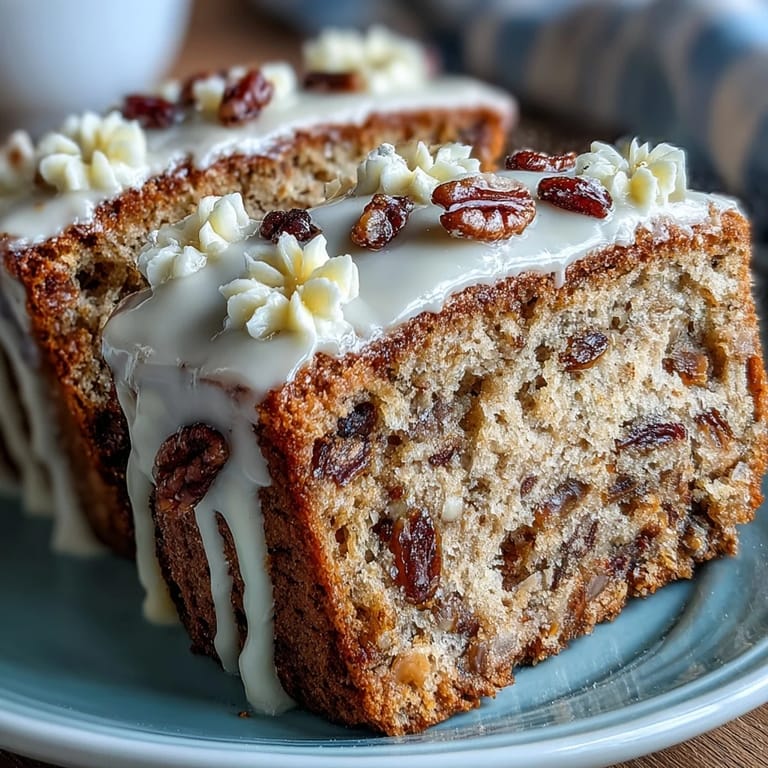
A First Communion cake needs to feel special but also real—not like you spent sixteen hours in a professional kitchen, but like you gave something of yourself. This vanilla sheet cake has that quality; it's humble enough to be homemade but elegant enough to feel like a real milestone. The simple white base with delicate piped flowers hits that sweet spot between effort and grace that makes people feel truly seen.
Piping Flowers Like You Mean It
Decorating with buttercream was genuinely intimidating until I realized that flowers don't need to look like garden perfection—they just need to feel intentional. A rose is just a spiral with pressure control, a daisy is petals in a circle, and leaves are long wispy strokes. The first time you try, they might look wonky, but by the second piping bag, your muscle memory catches up and suddenly your hands know what to do.
Storage and Making Ahead
One of the greatest gifts this cake gives you is time—bake it the day before and store it covered at room temperature, and it actually improves as the flavors settle and the cake stays wonderfully moist. The buttercream frosting doesn't need refrigeration either unless your kitchen is sweltering, so you can decorate on the morning of the celebration without rushing.
- If you're making this for an outdoor celebration in warm weather, keep the decorated cake in the coolest spot available until serving time.
- The cake keeps for three days covered at room temperature, so any leftover slices are a lovely secret snack while cleaning up after the party.
- You can bake just the cake layer two days ahead if decorating the day-of feels more manageable with your schedule.
 Save
Save This cake is simple enough that you'll actually make it, but special enough that everyone will feel the care baked right in. That's exactly what a First Communion cake should be—a gentle celebration that tastes as good as it looks.
Recipe FAQs
- → What makes this vanilla sheet cake moist?
The combination of softened butter, milk, and careful mixing keeps the cake tender and moist, preventing dryness during baking.
- → How do you achieve smooth buttercream frosting?
Beating softened butter first and gradually adding sifted powdered sugar with milk creates a creamy, fluffy texture ideal for piping.
- → Can I adjust the buttercream colors?
Yes, gel food coloring is recommended for vibrant, non-runny hues to create beautiful flower and leaf decorations.
- → What is the best way to bake for even texture?
Baking the cake in a greased, parchment-lined 9x13-inch pan at 350°F ensures even cooking; testing with a toothpick confirms doneness.
- → Is the cake suitable for make-ahead preparation?
Absolutely, the cake can be baked a day before and stored covered at room temperature without losing freshness.