 Save
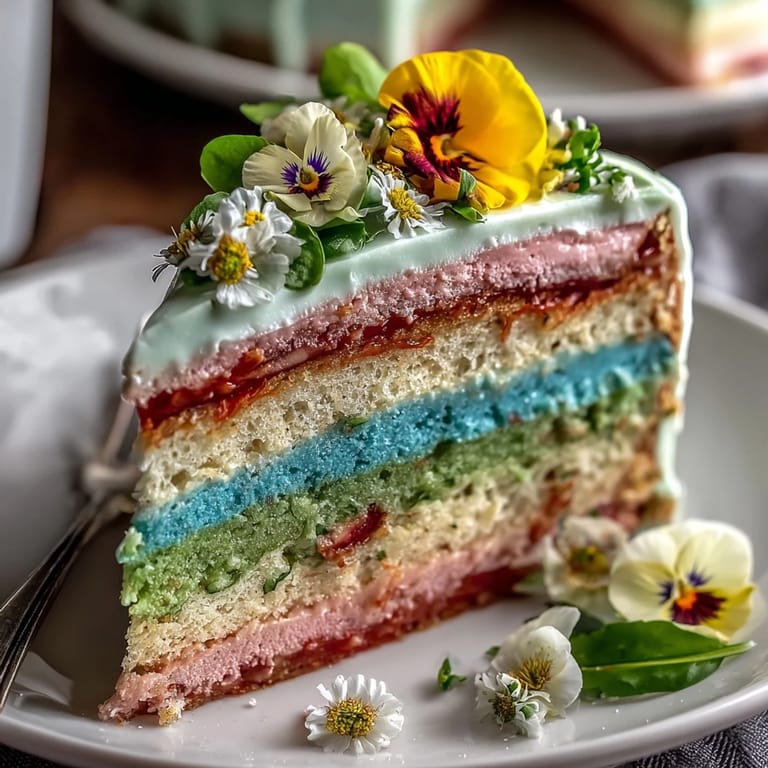
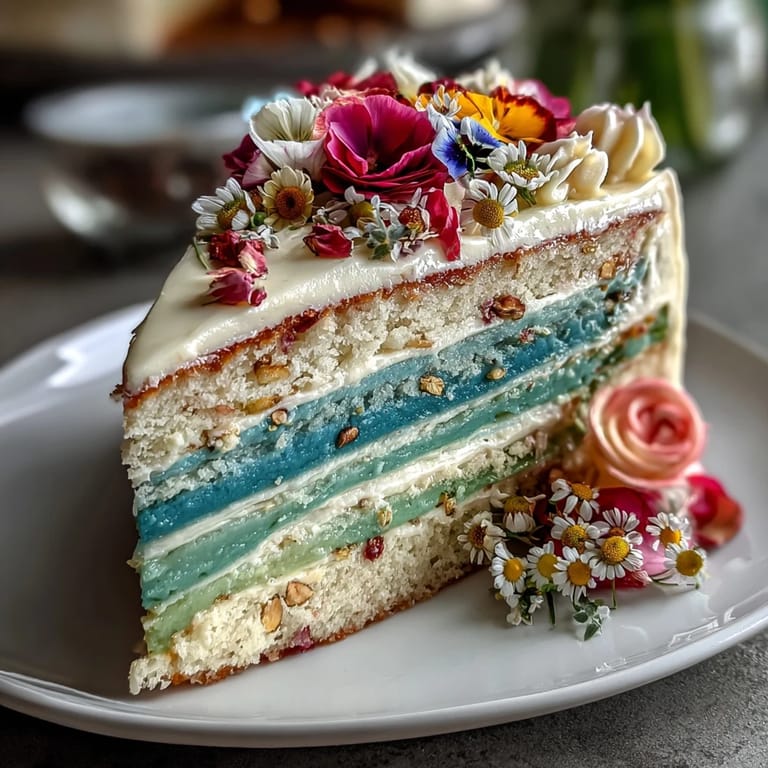
Save The first time I made a pastel ombre cake, I was alone in my kitchen with sunlight streaming through the window, quietly humming to myself and debating which colors would capture the mood of spring. The scent of butter and sugar mixing was almost as uplifting as seeing each bowl of batter come alive with the gentle swirl of pink, yellow, and blue. It felt a little like creating art, not just dessert. The anticipation built as the cakes rose in the oven and the air filled with a sweet, floral warmth. If you ever wanted a cake to brighten a rainy day or celebrate the return of blossoms, this is the one.
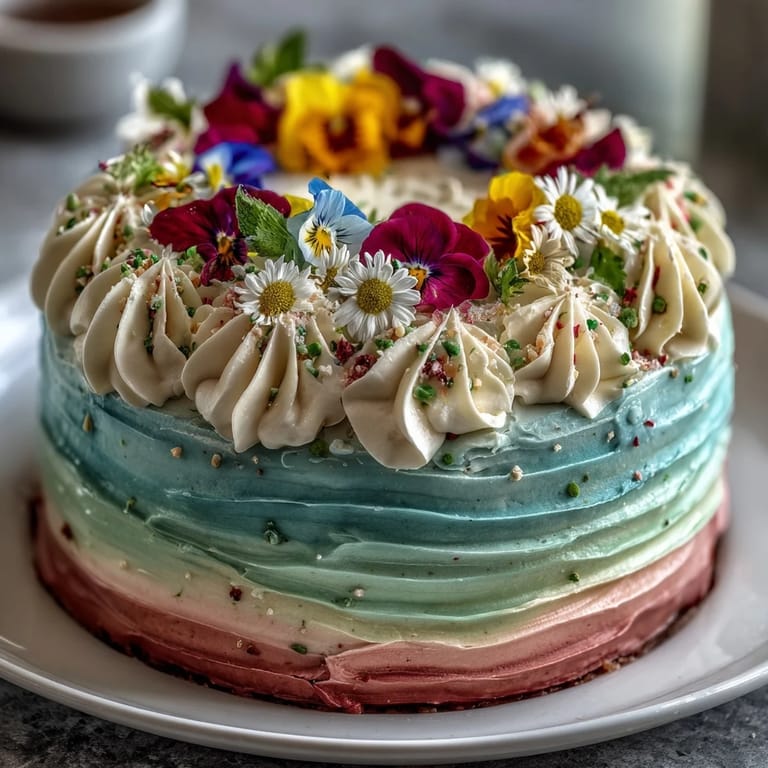
I remember swirling pastel buttercream with my niece, who was determined to make the pink layer ‘the happiest shade of pink possible.’ We giggled as she accidentally flicked frosting onto her cheek, and together we carefully topped the finished cake with fresh pansies, admiring our handiwork, proud and a little amazed by how pretty it looked. Celebrations became secondary to the joyful mess we made. It’s now a running joke in our family that anything pastel means not just extra cake, but extra smiles. If you have little helpers, expect even more color and fun—plus a few sticky fingers.
Ingredients
- All-purpose flour: Creates a tender crumb; gently fluff and spoon for accurate measurement.
- Baking powder and baking soda: Gives lightness and height; fresh leavening always matters.
- Salt: Balances sweetness and brightens flavor.
- Unsalted butter: Room temperature butter ensures a creamy, smooth batter; patience pays off here.
- Granulated sugar: Adds sweetness and structure; a longer creaming time makes the cake airy.
- Eggs: Room temperature eggs incorporate best, giving the cake a uniform texture.
- Pure vanilla extract: For warm, fragrant undertones; real vanilla makes the cake taste luxurious.
- Whole milk: Softens the crumb and keeps it moist; let it come to room temperature to blend effortlessly.
- Gel food coloring: Pastel hues create the ombre look; gel colors are vivid without thinning the mix.
- Powdered sugar: Sift well for silky buttercream; lumpy frosting is a preventable mistake.
- Edible flowers: Always check they are organic and truly edible; petal freshness matters for beauty and safety.
Tired of Takeout? 🥡
Get 10 meals you can make faster than delivery arrives. Seriously.
One email. No spam. Unsubscribe anytime.
Instructions
- Prep the Pans:
- Grease and line three cake pans; listen for the soft parchment crinkle—it means smooth release later.
- Mix Dry Ingredients:
- Whisk flour, baking powder, baking soda, and salt until no streaks remain; a gentle hand keeps the cake light.
- Cream Butter & Sugar:
- Beat butter and sugar until pale and airy, feeling the mixer music pulse in your kitchen.
- Incorporate Eggs & Vanilla:
- Add eggs one at a time, watching each disappear, then finish with a heady splash of vanilla.
- Alternate Wet and Dry:
- Fold in flour and milk, rotating bowls, mixing until just combined for a tender crumb.
- Tint the Batter:
- Divide into bowls and add gel color, swirling gently for soft pastel gradients—this is the fun part.
- Bake the Layers:
- Pour batter into pans, bake, and check for springy centers and golden edges; cool on racks, resisting the urge to touch too soon.
- Make Buttercream:
- Beat butter creamy, gradually add powdered sugar, then vanilla and milk; tint with pastel gels for dreamy ombre frosting.
- Assemble & Frost:
- Level layers, stack, and spread frosting, blending shades around the cake; crumb coat, chill, then finish with soft swoops.
- Add Floral Topper:
- Just before serving, arrange edible flowers gently, letting their colors shine atop your cake canvas.
 Save
Save I’ll never forget serving this cake after a spring garden party, watching guests lean in to admire the gentle ombre and floral crown. Someone whispered that it almost seemed too pretty to eat, but that sentiment lasted exactly two minutes—the first forkful confirmed it tasted even better than it looked. This cake consistently transforms gatherings into moments of delight, where conversation turns to color and flavor.
How to Make Your Ombre Effect Shine
Swirling pastel colors takes a little patience but low stress—just add a tiny bit of gel food coloring, mix gently, and stop when you like the shade. The gradient looks best when the colors flow subtly, rather than stark lines. If you feel nervous, test your color in a separate bowl before adding to batter. Buttercream ombre is easier if you use an offset spatula and keep the cake chilled between steps. A spinning cake turntable can make blending colors feel almost effortless.
Choosing Edible Flowers Safely
For floral toppers, always purchase flowers from sources that confirm they're safe for eating and pesticide-free. Some supermarkets offer edible bouquets in spring, but farmer's markets and specialty shops often have the freshest petals. Try to use flowers the same day—wilting petals can distract from the cake's beauty. If you're new to edible flowers, stick to mild varieties like pansies and violas for the most gentle flavor. Remove stems and check for bugs, just in case.
Troubleshooting Ombre Layer Cakes
If your cake layers aren't perfectly level, patch minor dips with a bit of buttercream before stacking. Should your colors look too bold, blend in extra white frosting to soften them. If the frosting starts to melt, chill the cake briefly and return with a steady hand.
- Slice layers carefully with a serrated knife for tidy edges.
- Use a bench scraper for smooth buttercream finishes.
- Don't add flowers until the cake is fully cooled and frosted.
 Save
Save Sharing this cake always feels like giving spring back to friends. May your kitchen fill with light and laughter as you bring pastel ombre magic to your table.
Recipe FAQs
- → How do I achieve the ombre effect in the cake layers?
Divide the batter into three bowls and use gel food coloring to tint each one separately. Choose pastel shades and mix gently for gradient hues.
- → Can I use liquid food coloring instead of gel?
Gel coloring is recommended for vibrant yet soft hues without thinning the batter or frosting. Liquid coloring may alter texture.
- → Are edible flowers necessary for the floral topper?
Edible flowers create a beautiful, safe decoration. Be sure to use organic, labeled edible flowers to avoid unsafe blooms.
- → Is it possible to make this dessert vegan?
Yes, substitute plant-based butter, milk, and egg replacers. Adjust frosting consistency if needed.
- → What servings and nutritional content does it provide?
Yields about 12 servings. Each serving contains roughly 520 calories, 25g fat, 68g carbohydrates, and 4g protein.
- → Which tools are most helpful for assembling and decorating?
Three round pans, an electric mixer, spatulas, wire rack, and optionally a cake turntable aid even layering and smooth ombre finish.
- → What allergens should I be aware of?
This dessert contains wheat, eggs, milk, and edible flowers, which may trigger allergies. Always check suitability for guests.