 Save
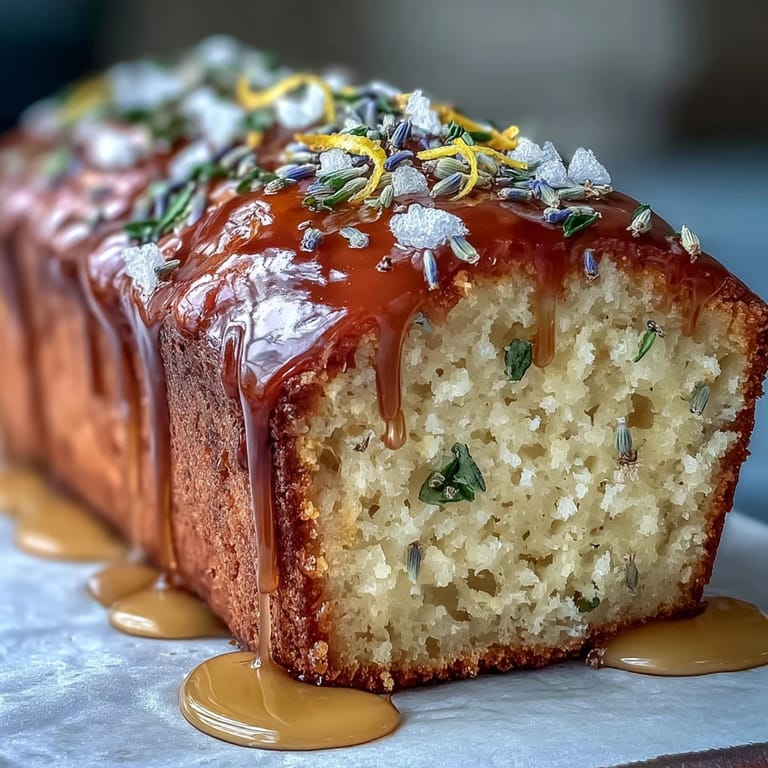
Save Some afternoons, the house fills with the scent of lemons and lavender drifting from the kitchen, and I remember why I love baking so much. Last spring, I decided nearly on a whim to pair those two flavors for a tea party that never quite materialized, but the resulting loaf cake was so delicious, it barely made it to the cooling rack. There is something quietly indulgent about stirring a handful of dried lavender into cake batter, watching violet specks swirl into pale yellow. The zing of citrus brightens the floral notes, creating a loaf that's both refreshing and just a little mysterious. A honey glaze finishes everything off with a sunlit sweetness—good enough to make you linger for a second slice.
One drizzly Sunday, I surprised my neighbor with a freshly baked loaf, still warm, and she stood in the doorway, powdered sugar dusting her cardigan as she took the first slice. Sometimes the best moments in the kitchen are the quiet ones—wrapping up something fragrant to share, or just pausing to let the steam carry the smell of citrus and flowers through the house. Making this cake has become my favorite way to mark a turning season.
Ingredients
- All-purpose flour: Gives the loaf structure and softness—I always fluff and spoon it into my cups for a lighter crumb.
- Baking powder & baking soda: Both ensure a tender rise and a fine, even texture; measuring precisely matters here.
- Salt: Just a pinch sharpens sweet and floral flavors—don't skip it.
- Culinary dried lavender buds: Only ever use edible lavender and crush the buds slightly between your fingers to release their perfume.
- Lemon zest: Using a microplane brings out the oils and intensifies the citrus fragrance enormously.
- Unsalted butter: At room temperature, it creams better and traps air for that fluffy crumb—patience is rewarded.
- Granulated sugar: Sweetens the crumb and helps the top crust caramelize in the oven.
- Eggs: Add richness and stability to the loaf—crack each in a bowl first to avoid shell surprises.
- Greek yogurt or sour cream: The secret weapon for keeping the cake extra moist with a slight tang.
- Whole milk: Ensures a tender consistency; infuse it with lavender for deeper flavor if you have time.
- Fresh lemon juice: Brightens up the batter and brings a fresh sour edge to both cake and glaze.
- Pure vanilla extract: Adds warmth and subtle complexity—a little goes a long way.
- Powdered sugar: The best for a silky smooth glaze; always sift to avoid lumps.
- Honey: Adds floral depth to the glaze and echoes the lavender's sweetness flawlessly.
Tired of Takeout? 🥡
Get 10 meals you can make faster than delivery arrives. Seriously.
One email. No spam. Unsubscribe anytime.
Instructions
- Get the pan ready:
- Line a 9x5-inch loaf pan with parchment after a generous grease—this will make unmolding effortless later.
- Mix the dry ingredients:
- Whisk flour, baking powder, baking soda, salt, lavender, and lemon zest together, marveling at the confetti of purple and yellow as you stir.
- Cream butter and sugar:
- Beat the butter and sugar until the mixture is so pale and fluffy it's almost cloud-like—it should smell like lemon candy already.
- Add the eggs:
- Drop in eggs one by one, letting each whisk in before adding the next; the batter will look silkier after each addition.
- Stir in wet ingredients:
- Blend in yogurt, milk, lemon juice, and vanilla—the batter comes together with a creamy, glossy sheen.
- Combine everything:
- Fold dry into wet, gently, until you can't see traces of flour; stop as soon as it's mixed or the loaf risks toughness.
- Bake the cake:
- Scoop into the prepared pan, smooth the top, and slide it into the oven, savoring how the scent warms as it bakes for 45 to 50 minutes.
- Cool and unmold:
- Let the loaf rest in the pan for 10 minutes, then lift it onto a wire rack to finish cooling—the crust will feel just firm enough to hold its shape.
- Make the glaze:
- Whisk powdered sugar, honey, and lemon juice together until you have a drizzle that's just thick enough to cling to the loaf.
- Finish and serve:
- Pour glaze over the cooled cake in swoops and swirls; let it set for that signature glossy crackle before slicing.
 Save
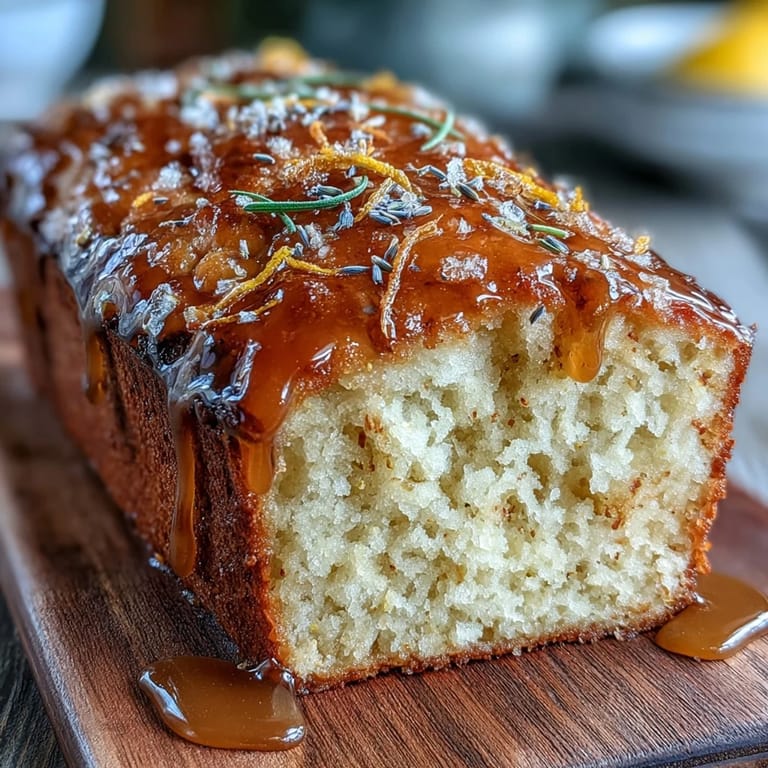
Save The real magic is how quickly a few everyday ingredients can turn into something worth sharing—a loaf that's as lovely to look at as it is to eat. On the day I topped my cake with extra zest and lavender, it just felt right, and the compliments kept coming long after the crumbs were gone.
How to Infuse Extra Lavender
You can steep the milk with a tablespoon of dried lavender buds, gently warming them together before straining—this builds even more floral nuance into each bite. I once tried this on a whim, and the kitchen smelled like a meadow, making the extra step worthwhile for special occasions.
Troubleshooting For Perfect Texture
If the cake seems dry, it's often because it's been left in the oven a tad too long or the batter was overmixed. Always check a few minutes early, and trust your nose—the fragrant aroma is my favorite sign that the loaf is almost done.
Finishing Touches and Serving Suggestions
A dusting of powdered sugar or scatter of extra dried lavender on top elevates the look instantly for guests. Slices pair beautifully with a good black tea or even a sparkling lemonade in the summer.
- Add candied lemon slices for a show-stopping presentation.
- Try to resist cutting the loaf before the glaze sets fully (it's harder than it sounds!).
- The loaf stays moist for days if you wrap it tightly—if it lasts that long.
 Save
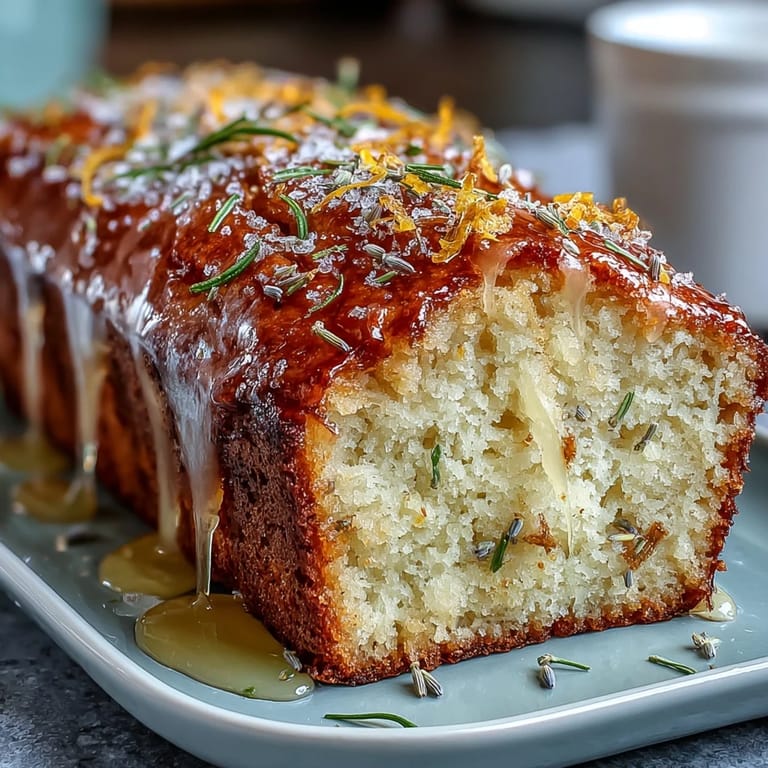
Save Whether you bake it to share or simply to savor a quiet slice, this Lemon Lavender Loaf is one of those recipes that turns an ordinary afternoon into something to look forward to. Hope it brings a little extra brightness to your day the way it has for me.
Recipe FAQs
- → Can I use fresh lavender instead of dried?
Culinary dried lavender gives a more consistent, concentrated floral note. If using fresh flowers, reduce the amount and chop finely; alternatively infuse liquid with fresh sprigs and strain to control intensity.
- → How do I infuse milk with lavender?
Gently warm the milk with lavender buds over low heat for about 10 minutes, remove from heat and steep 10–15 minutes, then strain. Cool before adding to the batter to preserve texture.
- → How can I tell when the loaf is done?
Bake 45–50 minutes and test the center with a toothpick—it should come out clean or with a few moist crumbs. If the top browns too quickly, tent with foil for the remaining time.
- → What can I substitute for Greek yogurt?
Use an equal amount of sour cream or buttermilk thinned slightly with milk. The acidity helps tenderize the crumb and react with the leavening for lift.
- → How do I adjust the honey glaze consistency?
Add lemon juice a teaspoon at a time until pourable; add more sifted powdered sugar to thicken. Warm the glaze slightly if it becomes too stiff after cooling.
- → How should I store leftovers?
Wrap the cooled loaf tightly and keep at room temperature up to 48 hours, refrigerate up to 5 days, or freeze individual slices in airtight bags for up to 3 months.