 Save
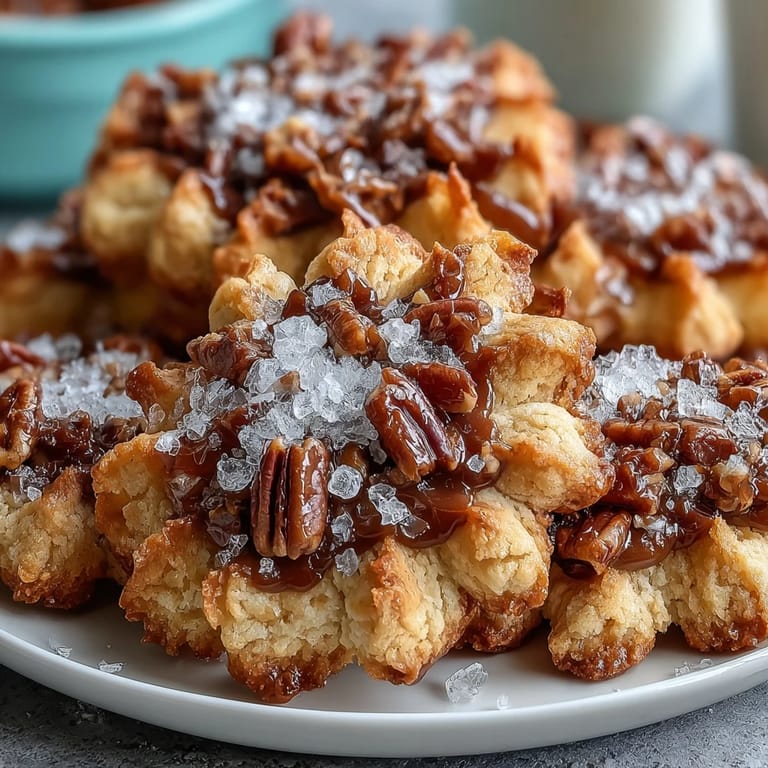
Save My grandmother kept a tin of these flower-shaped shortbreads on her kitchen counter, and I'd sneak one whenever she wasn't looking—the butter just melted on your tongue in the most buttery, delicate way. Years later, when she finally shared her technique, I realized the magic wasn't just the ingredients but respecting the dough enough to not overwork it. Now I make them every spring when I want my kitchen to smell like pure comfort, and somehow they taste like both her memory and my own moments of peace.
I brought a box of these to a friend's garden party once, and watching people's faces light up when they realized how buttery and delicate they were made me understand why shortbread has stayed beloved for centuries. Someone asked if I'd bought them from a fancy bakery, and I got to say no—just an afternoon of listening to music in my kitchen and rolling dough carefully.
Ingredients
- Unsalted butter, softened (1 cup/225 g): This is the star, so use good quality butter at room temperature—cold butter won't cream properly and you'll miss that fluffy texture that makes these cookies special.
- Granulated sugar (1/2 cup/100 g): The smaller amount keeps these cookies tender and less sweet, letting the pure butter flavor shine through without any cloyingness.
- All-purpose flour (2 cups/250 g): Measure by weight if possible to avoid packing the flour, which would make the cookies tough instead of delicate.
- Cornstarch (1/4 cup/30 g): This ingredient is the secret—it replaces some flour and creates that distinctive tender crumb that shortbread is famous for.
- Fine sea salt (1/4 tsp): Just a whisper of salt deepens the butter flavor and prevents the cookies from tasting one-dimensional.
- Vanilla extract (1 tsp): Real vanilla matters here since there aren't many other flavors competing—cheap extracts will taste noticeably flat.
- Coarse sanding sugar or sprinkles (optional, 2 tbsp): Press these on before baking so they set into the cookie surface rather than sliding off.
- Powdered sugar or pastel icing (optional, for finishing): Dust or drizzle after cooling for an elegant touch that feels effortless.
Tired of Takeout? 🥡
Get 10 meals you can make faster than delivery arrives. Seriously.
One email. No spam. Unsubscribe anytime.
Instructions
- Prepare your workspace:
- Preheat the oven to 350°F (175°C) and line two baking sheets with parchment paper—this prevents sticking and ensures even browning on the bottoms.
- Cream the butter and sugar:
- Beat the softened butter with granulated sugar for 2-3 minutes until the mixture looks pale and fluffy like clouds. This incorporates tiny air bubbles that make the cookies tender, so don't skip this step or rush it.
- Add the vanilla:
- Stir in the vanilla extract and let it blend through completely, filling your kitchen with that warm, vanilla smell.
- Combine dry ingredients separately:
- In another bowl, whisk together flour, cornstarch, and salt to distribute them evenly before adding to the butter mixture.
- Bring the dough together gently:
- Add the dry ingredients to the butter mixture gradually, stirring just until the dough comes together. The moment it does, stop—overworking makes tough cookies, and you want them tender enough to practically dissolve on your tongue.
- Roll out the dough:
- Turn the dough onto a lightly floured surface and roll it to 1/4-inch (6 mm) thickness, using gentle, even pressure. If the dough cracks at the edges, it's fine—just press it back together.
- Cut into flower shapes:
- Use your flower-shaped cookie cutter to cut out cookies, pressing down firmly and lifting straight up. Arrange them on the prepared baking sheets about 1 inch apart so they bake evenly without touching.
- Add optional toppings:
- If using sanding sugar, sprinkle it on now or gently press edible flower petals into the surface for a spring garden effect.
- Bake until edges turn golden:
- Bake for 12-15 minutes, watching carefully during the last few minutes—the centers might still look slightly underbaked, which is perfect because they'll firm up as they cool. Golden edges mean done; pale centers mean you're on track.
- Cool with patience:
- Let cookies sit on the baking sheet for 5 minutes before transferring to a wire rack, which allows them to set without becoming hard. Complete cooling takes about 30 minutes.
- Add finishing touches:
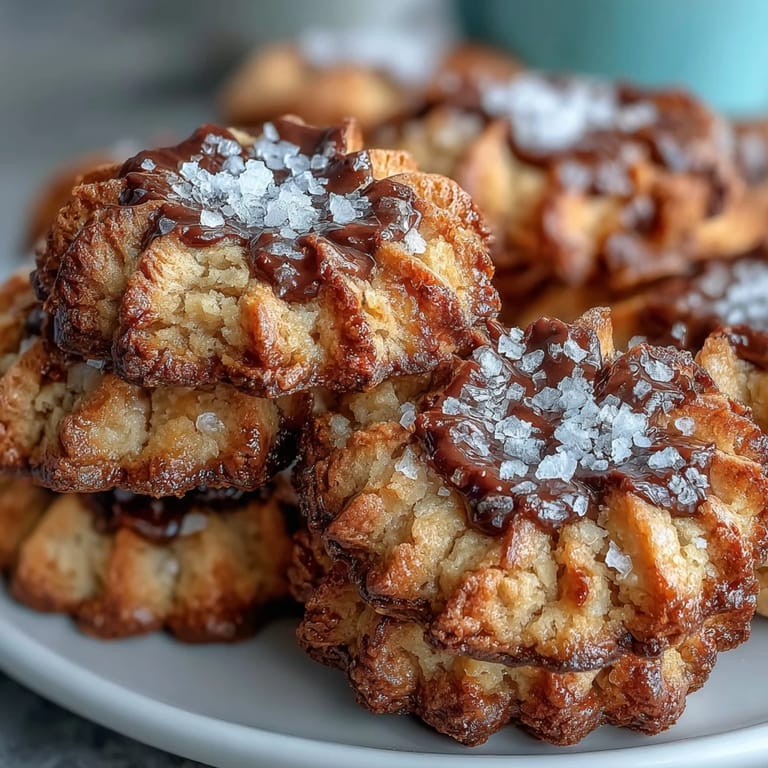
- Once cool, dust lightly with powdered sugar or drizzle with pastel icing for an elegant, delicate look that feels handmade.
 Save
Save These cookies remind me that baking is often about restraint rather than effort—knowing when to stop, when to wait, when to let something be imperfect and still beautiful. That's a lesson that extends far beyond the kitchen.
Variations and Flavor Ideas
Once you've made the classic version, you might want to experiment with citrus—add 1 teaspoon of finely grated lemon or orange zest to the butter and sugar mixture before mixing in the dry ingredients, and suddenly you have something bright and spring-like. Almond extract (use just 1/2 teaspoon since it's stronger than vanilla) creates a subtle nuttiness, or you can experiment with a pinch of cardamom for something more unexpected and aromatic.
Decorating Like You Mean It
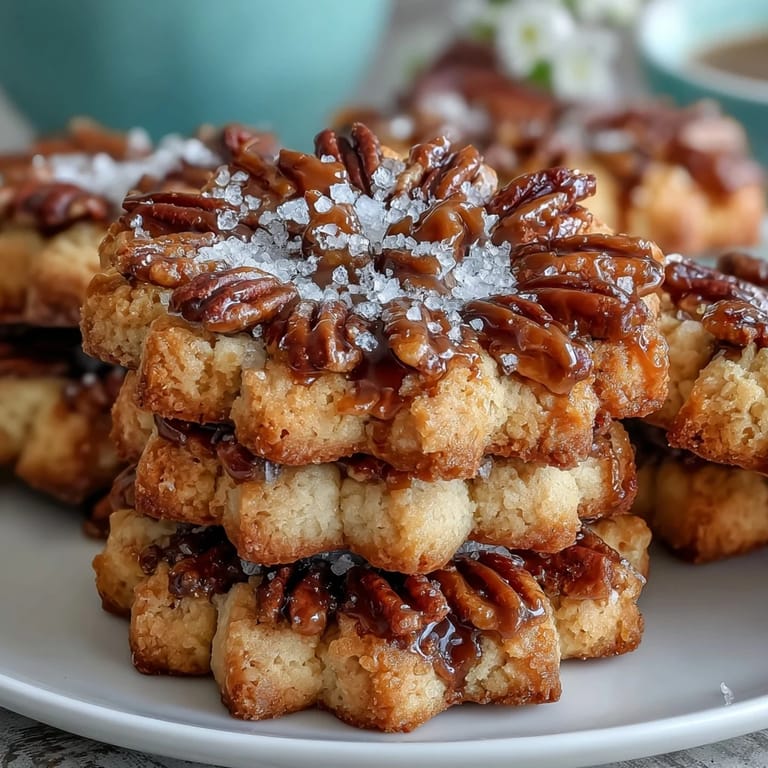
The beauty of shortbread is that even simple decorations look elegant because the cookie itself is refined. You don't need complicated icing techniques—a light dusting of powdered sugar through a fine sieve looks professional, and edible flower petals pressed gently into the surface before baking create a garden-fresh aesthetic that people remember.
Storage and Keeping Them Fresh
These cookies actually improve slightly as they sit, developing more flavor complexity over a few days. Keep them in an airtight container at room temperature, and they'll stay crisp and fresh for up to a week—though with their delicate, buttery appeal, they rarely last that long in any house.
- Layer cookies between parchment paper in the container so they don't stick or crack.
- If your kitchen is humid, add a small piece of parchment paper or a paper towel in the container to absorb moisture.
- Freeze unbaked dough for up to three months, then bake whenever you want fresh cookies on demand.
 Save
Save These flower-shaped shortbreads are one of those recipes that feels like a small gift you give to people, and to yourself. Make them when you want your kitchen to smell like home, or when someone needs to taste what care and attention look like.
Recipe FAQs
- → What ingredients give shortbread its tender texture?
Softened butter combined with flour and cornstarch creates a crumbly, tender shortbread texture.
- → How can I enhance the flavor of these flower shapes?
Add finely grated lemon or orange zest to the dough for a refreshing citrus note.
- → What is the best way to achieve clean flower-shaped cuts?
Roll the dough evenly to about 1/4 inch thickness and use a sharp flower-shaped cutter for precise shapes.
- → How do sanding sugar or edible flowers affect the finished treats?
Sanding sugar adds sparkle and subtle sweetness, while edible petals enhance visual appeal and a delicate touch.
- → How should these pastries be stored to maintain freshness?
Keep them in an airtight container at room temperature to preserve crispness for up to one week.