 Save
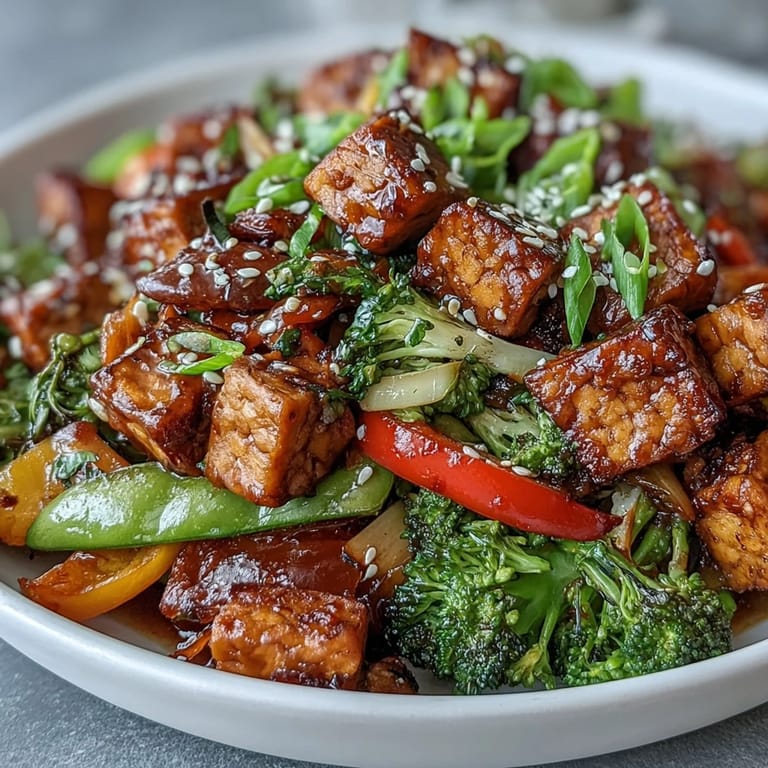
Save There's something about the sound of tempeh hitting hot oil that signals dinner is about to get interesting. I stumbled onto this stir-fry one Tuesday evening when I had a nearly empty fridge and a craving for something with real substance, and it became the dish I reach for whenever I need to prove that weeknight cooking doesn't have to feel rushed or complicated. The nutty tempeh soaks up all that savory sauce while the vegetables stay snappy, and somehow the whole thing comes together in less time than it takes to order takeout. It's become my go-to when friends drop by hungry, because it looks far more impressive than the effort involved.
I made this for my sister last spring when she was going through a health kick, and I expected some polite nodding while she secretly craved her usual pasta. Instead, she asked for the recipe before she'd even finished eating, and now she texts me photos of her versions with different vegetable combinations. That moment when someone genuinely wants your recipe instead of just complimenting it politely—that's when you know you've landed on something real.
Ingredients
- Tempeh: The firm texture is key here; it won't crumble or disappear into the sauce like tofu might, and cutting it into even cubes helps them brown beautifully on all sides.
- Red and yellow bell peppers: They bring sweetness and color, and slicing them thin means they cook just enough to soften without turning into mush.
- Carrot: Julienning it thin is worth the extra minute because it cooks evenly and adds a delicate crunch that balances the softer vegetables.
- Sugar snap peas and broccoli: These are your crisp anchors; they stay firm even after cooking and keep the whole dish from feeling one-note in texture.
- Garlic and ginger: Mincing them fine releases their aromatics into the oil before the vegetables go in, building layers of flavor from the start.
- Soy sauce: Use tamari if gluten matters to you, but real soy sauce adds a deeper umami that just tastes right.
- Rice vinegar: A small amount cuts through richness and keeps the sauce bright instead of heavy.
- Maple syrup or agave: Just a touch rounds out the sauce and keeps it from tasting sharp or one-dimensional.
- Sesame oil: The toasted kind is non-negotiable; it's aromatic and makes everything taste intentional.
- Cornstarch: This light thickener helps the sauce coat everything evenly without making it gluey or heavy.
- Vegetable oil: Something neutral with a high smoke point keeps the tempeh from steaming instead of crisping.
Tired of Takeout? 🥡
Get 10 meals you can make faster than delivery arrives. Seriously.
One email. No spam. Unsubscribe anytime.
Instructions
- Whisk the sauce together and set it aside:
- In a small bowl, combine soy sauce, water, rice vinegar, maple syrup, sesame oil, and cornstarch, stirring until the cornstarch dissolves and there are no lumps. This step takes thirty seconds and changes everything when it hits the pan later.
- Get your tempeh golden:
- Heat 1 tablespoon of oil in your wok or large skillet over medium-high heat until it shimmers, then add tempeh cubes and let them sit for a minute before stirring—this is how you get those caramelized edges instead of pale cubes. Toss occasionally for about 4 to 5 minutes until they're golden all over, then transfer to a plate and take a breath.
- Toast the aromatics:
- Add the remaining tablespoon of oil to the same wok and immediately add garlic and ginger, stirring constantly for about 30 seconds until your kitchen smells incredible. This brief moment of high heat releases all their essential oils and sets the flavor foundation for what comes next.
- Cook the vegetables until they're just right:
- Toss in bell peppers, carrot, sugar snap peas, and broccoli, stirring frequently for 4 to 5 minutes—they should still have some resistance when you bite them, not soften into submission. Listen for the sound of the vegetables hitting the hot wok; that sizzle tells you they're cooking properly.
- Bring everything together:
- Return the tempeh to the wok, give your sauce bowl a quick stir to redistribute the cornstarch, then pour it over everything and toss for 1 to 2 minutes while watching it glisten and thicken. The sauce should coat everything in a light, glossy layer that tastes balanced and complete.
- Finish and serve:
- Remove from heat, stir in the spring onions, then scatter sesame seeds and fresh coriander over the top if you have them. Serve immediately with rice or noodles, and watch how quickly it disappears.
 Save
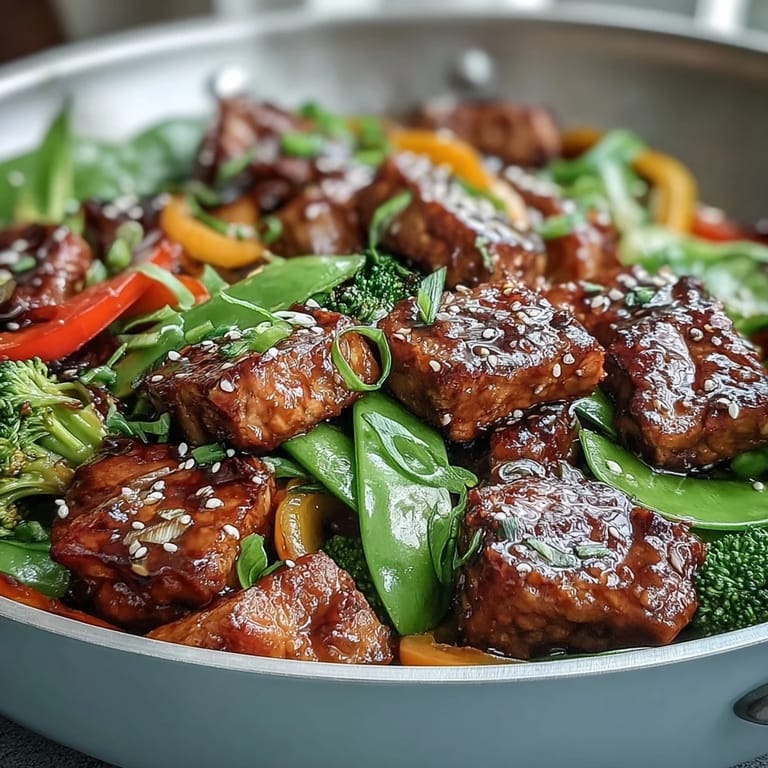
Save My favorite part of making this dish is watching someone take that first bite and visibly relax, realizing that eating well doesn't have to mean spending hours in the kitchen or eating something that tastes like punishment. That shift from skepticism to genuine satisfaction happens every single time, and it's worth every minute of prep.
Why Tempeh Wins Here
Tempeh gets overlooked by people who tried it once and found it bitter or tough, but the secret is that it wants to be fried until it develops those nutty, caramelized edges. Once that happens, it's completely different—firmer than tofu, with an actual flavor that plays well with others instead of disappearing into the background. The cubes hold their shape through the whole cooking process, so you end up with distinct bites of tempeh rather than a mushy texture that works against you.
Building Better Vegetables
The secret to vegetable stir-fry that doesn't end up sad and overcooked is understanding that everything doesn't need the same amount of time. Broccoli and carrots need a head start because they're denser, while snap peas can join late and still be perfect. Cutting everything to a similar thickness helps too—those julienned carrots cook at exactly the same rate as sliced peppers, so nothing gets abandoned in the pan.
Customizing Without Losing Your Way
This recipe is genuinely flexible, and you can swap vegetables based on what's in season or what you're craving without overthinking it. Mushrooms, baby corn, zucchini, bok choy, or even thin-sliced cabbage all work beautifully as long as you keep the cooking time relatively consistent. If you're feeling brave, a pinch of chili flakes or a splash of sriracha transforms the whole vibe into something with heat and attitude, though the original version already feels complete and balanced.
- Keep your knife sharp and your cutting board clean so prep stays quick and everything looks intentional on the plate.
- Taste the sauce on its own before it goes into the pan so you know if it needs adjustment—better to fix it early than apologize later.
- Serve immediately while everything is still hot and the vegetables still have their snap, because waiting even five minutes changes the entire experience.
 Save
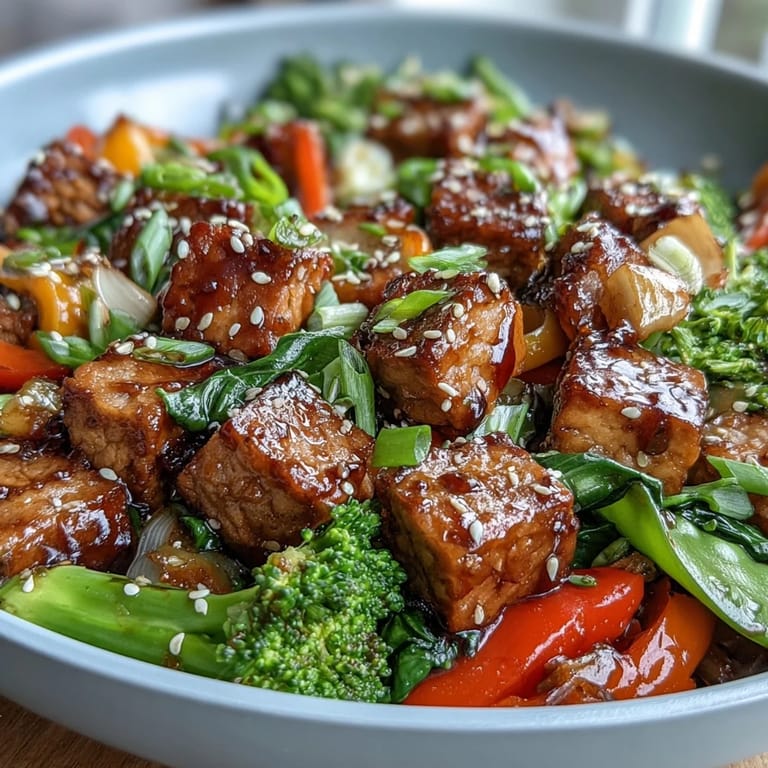
Save This stir-fry sits somewhere between comfort food and something you'd be proud to serve at dinner, which is exactly where the best everyday recipes live. Make it once and it becomes the thing you know how to do, the thing you pull out when you want to feed people well without fanfare.
Recipe FAQs
- → What makes tempeh different from tofu?
Tempeh is made from fermented whole soybeans, giving it a firmer texture and nuttier flavor compared to tofu. It holds its shape well during cooking and absorbs flavors beautifully while maintaining a satisfying chew.
- → Can I make this gluten-free?
Absolutely. Simply substitute regular soy sauce with tamari, which is naturally gluten-free. All other ingredients in this dish are naturally gluten-free.
- → What vegetables work best for stir-frying?
Vegetables that maintain some crunch when cooked quickly are ideal. Bell peppers, broccoli, snap peas, carrots, and mushrooms are excellent choices. Avoid watery vegetables like zucchini that can make the dish soggy.
- → How do I prevent the sauce from becoming too thick?
The cornstarch helps thicken the sauce naturally as it cooks. If it becomes too thick, simply add a splash of water or vegetable broth to reach your desired consistency.
- → Can I prepare this ahead of time?
You can prep all ingredients in advance, but it's best cooked just before serving. The vegetables maintain their texture and color when freshly stir-fried. Store prepped ingredients separately in the refrigerator.
- → What should I serve with this stir-fry?
Steamed jasmine rice, brown rice, or soba noodles make excellent accompaniments. The sauce perfectly coats the grains, creating a complete and satisfying meal.