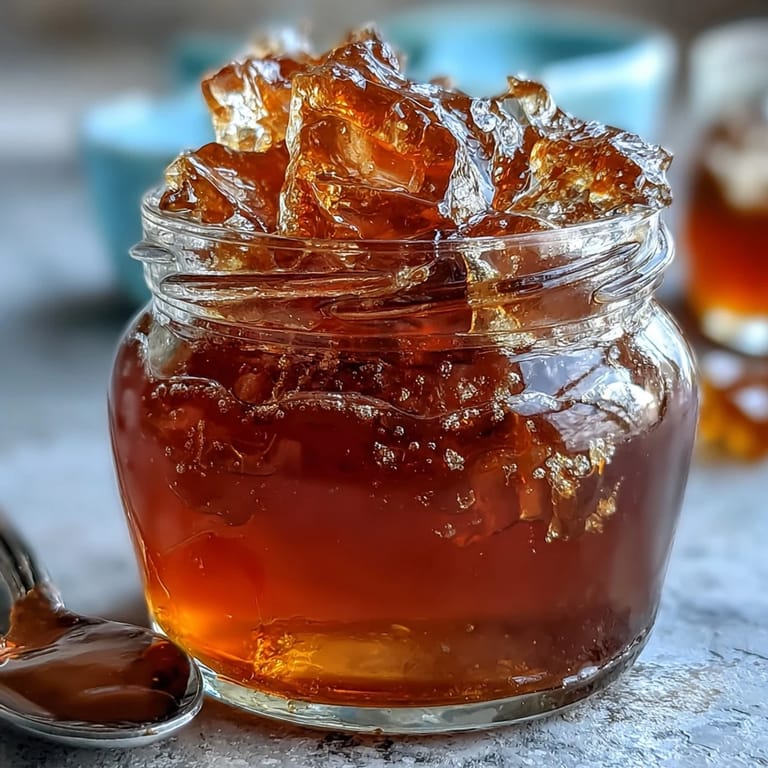
 Save
Save Last spring, my neighbor mentioned she'd been picking dandelions from her yard and wondered aloud if anyone actually used them for anything beyond tea. That offhand comment sent me down a rabbit hole of foraging guides and old preservation recipes, and I discovered dandelion jelly—a delicate, floral spread that tastes like bottled sunshine and tastes nothing like the bitterness you'd expect from a weed. The first batch I made filled my kitchen with this subtle, almost honey-like fragrance that lingered for hours after I'd finished canning, and I was completely hooked.
I brought a jar of this jelly to a friend's brunch gathering, still warm from processing the night before, and watched her face light up the moment she spread it on a warm scone. She asked me three times if I'd really made it myself, then spent the rest of the meal asking if I could make her a jar every spring. That's when I realized this wasn't just a recipe—it was the kind of homemade gift that makes people feel genuinely cared for, because you've literally gone out into nature, worked with your hands, and transformed weeds into something precious.
Ingredients
- Dandelion petals (yellow parts only, 2 cups, tightly packed): Use only the bright yellow petals from pesticide-free dandelions, as the green sepals underneath carry a bitter taste that will muddy your final jelly.
- Water (4 cups): This creates your base infusion and should be filtered or bottled if your tap water is heavily chlorinated, which can affect the delicate flavor.
- Lemon juice (2 tablespoons, freshly squeezed): Beyond brightening the flavor, the acid is essential for helping the pectin set properly and cutting through any floral heaviness.
- Powdered fruit pectin (1 package, 1.75 oz): This is non-negotiable for a proper gel; liquid pectin behaves differently and will throw off your ratios.
- Granulated sugar (4 cups): The sugar isn't just sweetness—it's a preservative that allows your jelly to keep safely for months without refrigeration.
Tired of Takeout? 🥡
Get 10 meals you can make faster than delivery arrives. Seriously.
One email. No spam. Unsubscribe anytime.
Instructions
- Scout and harvest your dandelions:
- Choose flowers from yards or fields you know haven't been sprayed with chemicals, and pick on a dry day after the dew has evaporated. Gently separate the yellow petals from the green base, which is where the bitterness hides.
- Give petals a gentle bath:
- A quick rinse under cool water removes any lingering insects or dust without bruising the delicate flowers. Use a soft touch—these petals are fragile.
- Brew your golden infusion:
- Combine petals and water in a saucepan, bring to a boil, then let it simmer gently for just 5 minutes to coax out the flavor without cooking away the delicate floral notes. The longer steeping time that follows does the real work.
- Let patience do its magic:
- Cover the pot and let it sit at room temperature for 4 hours or overnight; this is when the water becomes infused with that subtle, honey-like dandelion essence. Overnight steeping gives you a more pronounced flavor and a deeper golden color.
- Strain with intention:
- Pour the liquid through fine mesh or cheesecloth slowly, letting it drip naturally without forcing it; if you press too hard, you'll push bitter compounds from the plant matter into your jelly. You're aiming for about 3½ to 4 cups of clear, golden infusion.
- Build your jelly base:
- Pour the strained infusion into a large, heavy-bottomed pot, add lemon juice and pectin, and stir for a full minute to dissolve the pectin evenly. Bring the mixture to a rolling boil over high heat, stirring occasionally so it doesn't stick to the bottom.
- The crucial jelly moment:
- Add all the sugar at once while stirring constantly, watching the mixture return to a vigorous rolling boil that you can't stir down. Maintain that hard boil for 1 to 2 minutes, then check the temperature with a candy thermometer—you need to reach exactly 220°F (104°C) for a proper gel.
- Skim and prepare for canning:
- Remove from heat and skim away any foam that's collected on the surface with a clean spoon; this foam will make your finished jelly cloudy. Have your sterilized jars waiting nearby, as you want to work quickly while everything is hot.
- Fill and seal with care:
- Using a ladle, pour the hot jelly into jars leaving ¼-inch headspace at the top, wipe the rims clean with a damp cloth to remove any drips, and seal with lids and rings. Process in a boiling water bath for exactly 10 minutes to ensure a safe seal and shelf-stable preserve.
- The hardest part—waiting:
- Let the jars cool completely undisturbed for at least 12 hours before checking seals; moving them too soon can disrupt the setting process. You'll hear satisfying little pops as each jar seals, which is deeply rewarding.
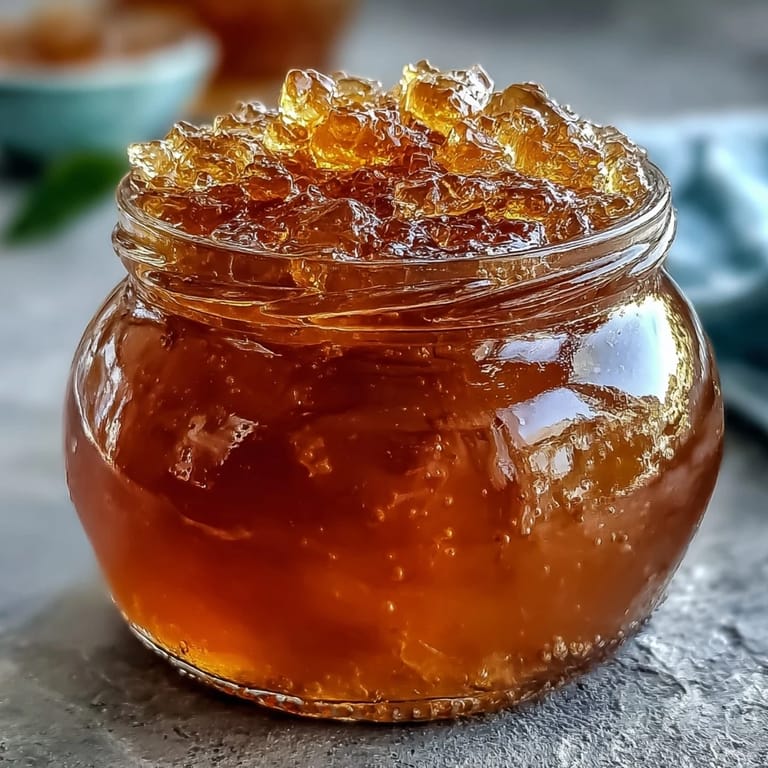 Save
Save There's something almost magical about opening a jar of dandelion jelly in the middle of winter and being transported straight back to that sunny afternoon when you were out in nature picking flowers, when everything felt slower and more connected. It's not just breakfast spread—it's a tiny jar of preserved springtime, and that matters.
The Art of Foraging Safely
Before you even think about picking a single petal, spend time learning your local dandelions and understanding where they grow. I spent an embarrassing amount of time on online foraging forums and got to know some passionate local foragers who taught me the difference between true dandelions and their lookalikes. The rule I learned quickly is this: only forage from places you'd be comfortable letting your children play barefoot, because if a lawn is clean enough for that, it's clean enough for your food. Your sources matter far more than your technique.
Timing and Flavor Variations
I've experimented with picking dandelions at different points in the spring, and I've found that early-season flowers (when the plants are just starting to spread) give a lighter, more delicate flavor, while mid-spring flowers become slightly more robust. The length of your steeping time also changes everything—4 hours gives you a subtle whisper of dandelion, while overnight steeping produces a noticeably deeper golden color and more assertive floral notes. Neither is wrong; it depends entirely on whether you want this jelly to be a gentle hint of spring or a bold celebration of it.
Troubleshooting and Creative Uses
The first batch I made came out slightly runny because I rushed the boiling process and didn't actually reach setting point—I'd convinced myself it looked done without checking the thermometer, which was foolish. Now I'm religious about that temperature check, and I've never had a failure since. Beyond the obvious toast situation, I've discovered this jelly is stunning as a glaze swirled into soft cheese on a board, spooned over vanilla ice cream for a floral dessert twist, or even stirred into sparkling wine for an unusual aperitif.
- If your jelly doesn't set after 12 hours, you can gently reheat it and re-process with additional pectin using a rapid-set method.
- A small spoonful added to salad dressing gives a subtle floral note that surprises people in the best way.
- For less sweetness, use low-sugar pectin and reduce sugar to 3 cups, adjusting your boiling time as needed to reach setting point.
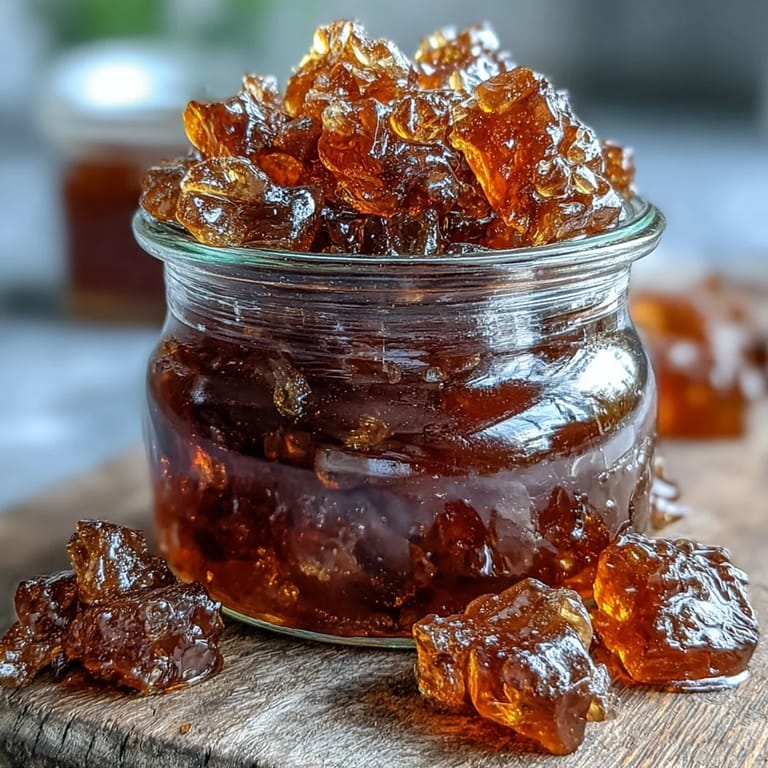 Save
Save This jelly has become my springtime ritual, a way of slowing down and remembering that some of the best things come from paying attention to what's already growing around you. Once you taste homemade dandelion jelly, store-bought spreads will never quite feel the same.
Recipe FAQs
- → How do I properly prepare dandelion petals?
Remove all green sepals and stems to avoid bitterness, then rinse petals gently to clean insects or debris before steeping.
- → Can I shorten the steeping time?
Steeping for 4 hours develops a strong floral flavor, but overnight steeping enhances it further for a richer taste.
- → What can I use instead of lemon juice?
Freshly squeezed orange juice or zest can be used for a citrus twist, but lemon juice helps with proper setting.
- → How do I know when the jelly has set properly?
Boil until the mixture reaches 220°F (104°C) or performs the plate test—when a drop solidifies on a cold surface.
- → What foods pair well with this floral jelly?
It’s delightful spread on toast, scones, pancakes, or served alongside various cheeses for a fresh contrast.