 Save
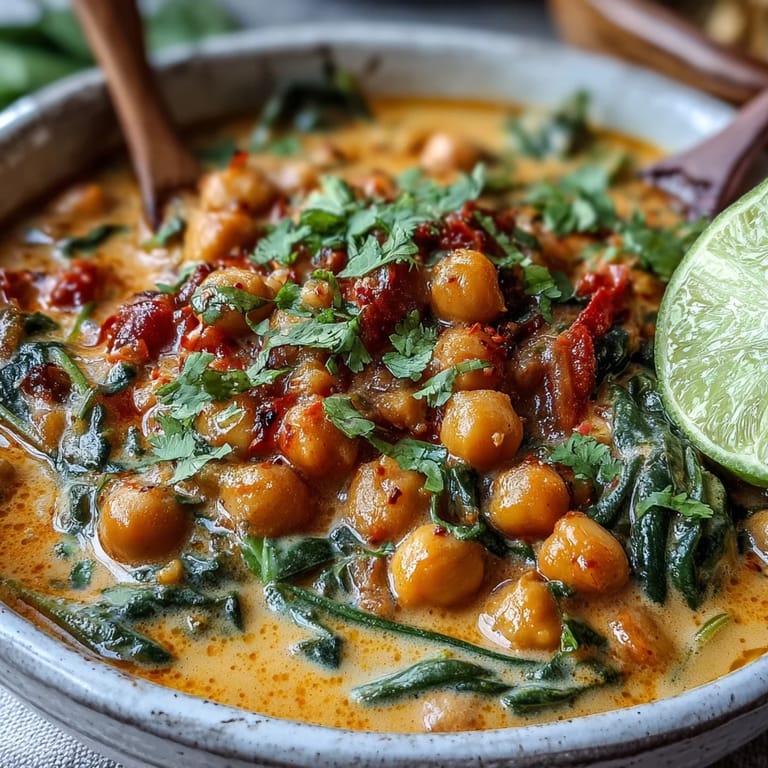
Save There's something about the smell of cumin hitting hot oil that makes a Tuesday night feel like an occasion. My neighbor stopped by unexpectedly one evening, and instead of ordering takeout, I found myself pulling together this chickpea curry from whatever was in my pantry. By the time that coconut milk swirled into the spiced base, the whole kitchen smelled like a proper Indian restaurant, and she stayed for dinner without asking twice.
I made this for a friend who'd just become vegan, and I was nervous about impressing her with something that didn't taste like compromise. When she asked for seconds and wanted the recipe, I realized this dish works because it doesn't apologize for what it is—it's bold, warm, and generous in a way that transcends whether there's meat involved.
Ingredients
- Vegetable oil: The base for blooming your spices, so don't skip this step or use too little or everything tastes flat and one-dimensional.
- Onion: Dice it finely so it melts into the sauce and becomes part of the backbone rather than sitting in chunks.
- Garlic and ginger: Fresh is non-negotiable here; they bring the living warmth that makes this curry sing instead of taste like spice powder mixed with water.
- Ground cumin: The hero spice that gives this its recognizable personality and warmth.
- Ground coriander: Adds brightness and a subtle sweetness that rounds out the earthiness of the cumin.
- Ground turmeric: More than just color, it brings a subtle bitterness that sophisticates the whole dish.
- Garam masala: This spice blend is what makes it taste authentically curry-like; don't substitute or leave it out.
- Chili powder: Start with less than you think you need and taste as you go, since heat preference is so personal.
- Paprika: A gentle layer of depth that helps build flavor complexity without adding spice.
- Chickpeas: Drain and rinse them well to remove the starchy liquid, which keeps the sauce silky instead of gluey.
- Coconut milk: Full-fat is worth the difference; it creates that luxurious mouthfeel that makes every spoonful feel indulgent.
- Diced tomatoes: Canned works beautifully here and saves you knife work while still delivering acidity and body.
- Vegetable broth or water: This thins everything to the right consistency and helps the spices distribute evenly.
- Baby spinach: Optional but recommended because it wilts in seconds and adds nutrition and color without effort.
- Lime juice: Added at the end, this brightens everything and prevents the curry from tasting heavy.
Tired of Takeout? 🥡
Get 10 meals you can make faster than delivery arrives. Seriously.
One email. No spam. Unsubscribe anytime.
Instructions
- Heat your oil and soften the aromatics:
- Pour the oil into a large skillet over medium heat and watch it shimmer before adding the diced onion. Sauté for 4 to 5 minutes, stirring occasionally, until the onion turns translucent and starts releasing its sweetness.
- Build the fragrant layer:
- Add the garlic and ginger, stirring constantly for about a minute until your kitchen fills with that unmistakable warm aroma. This is the moment everything shifts from raw ingredients to something that smells like dinner.
- Toast your spices into life:
- Sprinkle in all the dry spices and stir them constantly for a full minute, letting them bloom and deepen in color. You'll notice the smell shift from sharp to roasted and complex, which means you're doing it right.
- Build the sauce base:
- Pour in the chickpeas, diced tomatoes with their juices, coconut milk, and broth, stirring everything together until combined. The mixture should look creamy and aromatic, with the chickpeas evenly distributed.
- Let it simmer gently:
- Bring everything to a gentle simmer, cover the pot, and let it cook for 15 minutes, stirring occasionally to prevent sticking. The flavors will meld together and the sauce will deepen in color and richness.
- Wilt in the spinach if using:
- Uncover the pot and stir in the baby spinach, letting it cook for 2 to 3 minutes until completely wilted and tender. This adds a fresh green note without requiring any extra cooking steps.
- Brighten with acid:
- Squeeze in the lime juice and stir through, then taste and adjust the seasoning with more salt, pepper, or spices as needed. That squeeze of lime transforms the whole curry from good to memorable.
- Plate and garnish:
- Ladle the curry into bowls over rice or alongside naan, scattering fresh cilantro on top and setting lime wedges on the side for people to squeeze as they like. This is where everything looks restaurant-worthy and smells even better than it looks.
 Save
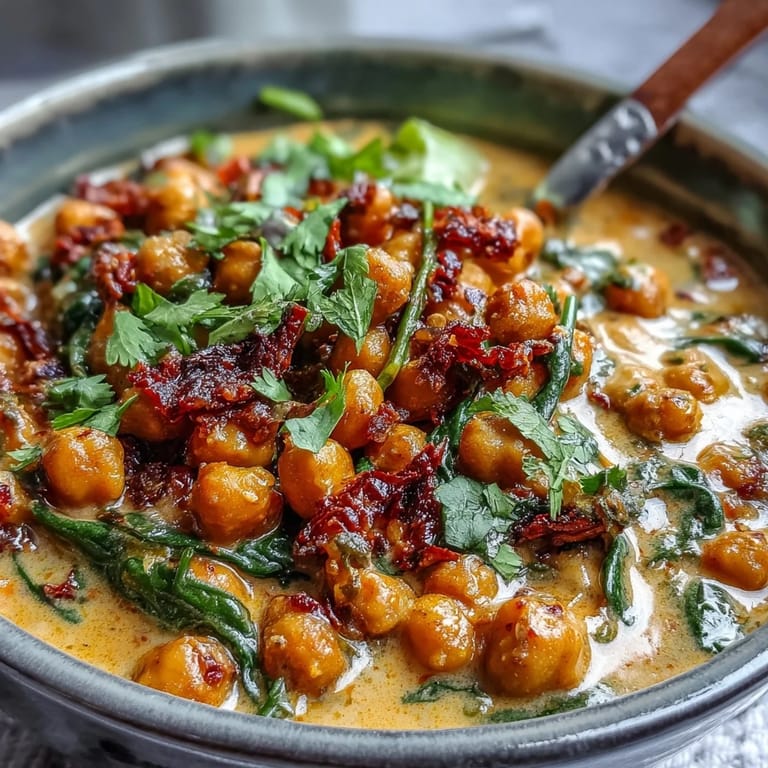
Save My partner made this for our dinner party last month, and I watched someone who claimed to not like plant-based meals ask for the recipe before dessert even arrived. That moment crystallized something I'd been learning all year: sometimes the best meals are the ones that don't announce what they are, they just quietly become what everyone wants.
How to Make It Your Own
This curry is forgiving enough to handle your personal adjustments without falling apart. Add diced sweet potato or bell pepper in the same step as the chickpeas, giving them the full 15 minutes to soften into the sauce. If you like things thicker, uncover the pot for the last 5 minutes of simmering and let the liquid reduce naturally. For a milder version, cut the chili powder in half or leave it out entirely, since the garam masala and paprika still deliver plenty of flavor.
Serving and Pairing
This curry partners beautifully with steamed basmati rice or brown rice, letting the sauce coat every grain and turn them into something special. Naan or gluten-free flatbread work equally well, giving you something to scoop with. I've also served it over cauliflower rice for lighter evenings, and honestly, the spices shine just as bright on whatever base you choose.
Storage and Make-Ahead Tips
This curry actually improves after a day in the fridge, as the flavors marry and deepen even further. It keeps well for up to 4 days covered, or you can freeze it for up to 3 months in a sealed container. Reheat gently on the stovetop, adding a splash of water or broth if the sauce has thickened too much, and freshen it up with another squeeze of lime juice and cilantro before serving.
- Make a double batch on Sunday and use it throughout the week in grain bowls, wraps, or straight from the bowl for quick meals.
- If you're cooking for guests, prepare all your ingredients ahead of time so the actual cooking becomes just sautéing and simmering.
- Keep extra lime wedges and cilantro on hand because people always want more of both.
 Save
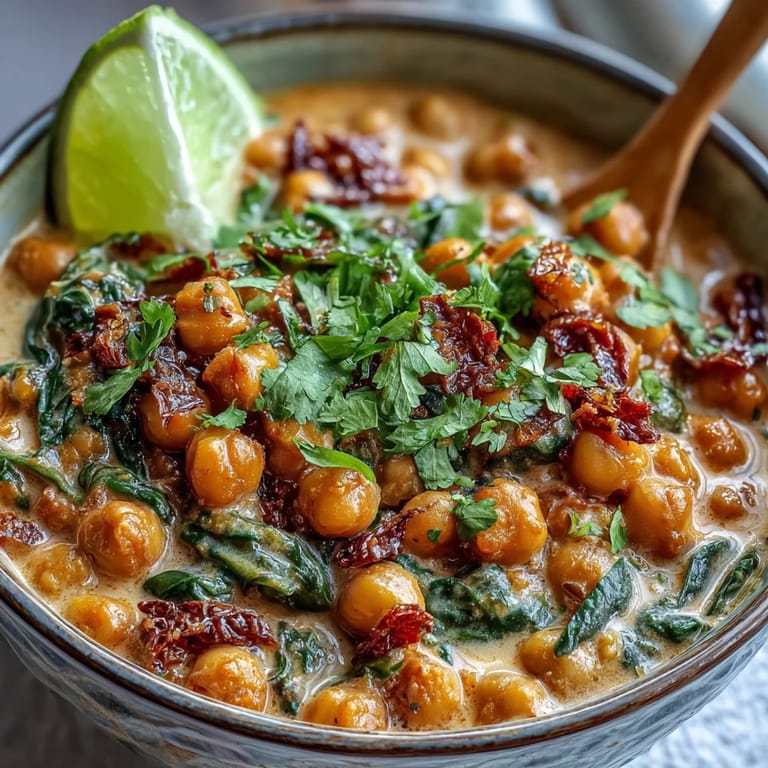
Save This chickpea curry has become my go-to when I want to feed people something that feels intentional without requiring hours in the kitchen. It's the kind of dish that reminds everyone at the table that simple ingredients and a little care transform into something genuinely worth gathering for.
Recipe FAQs
- → How can I make this curry spicier?
Increase the chili powder to 1 teaspoon or add a diced jalapeño when sautéing the onions. You can also add a pinch of cayenne pepper or serve with hot sauce on the side for adjustable heat.
- → Can I use dried chickpeas instead of canned?
Yes, soak 1 cup dried chickpeas overnight, then cook them until tender before adding to the curry. You'll need about 3 cups of cooked chickpeas to replace the two cans. Plan for extra time to prepare the dried beans.
- → What vegetables work well in this dish?
Diced sweet potato, bell peppers, cauliflower florets, or green beans all complement the flavors beautifully. Add hearty vegetables like sweet potato or cauliflower during the simmering stage so they cook through.
- → How long does this keep in the refrigerator?
Store in an airtight container for up to 4-5 days. The flavors actually deepen and improve after a day or two. Reheat gently on the stovetop, adding a splash of water or broth if the sauce has thickened too much.
- → Can I freeze this curry?
Absolutely. Let cool completely, then transfer to freezer-safe containers for up to 3 months. Thaw overnight in the refrigerator and reheat on the stovetop. The texture may thin slightly when reheated.
- → What's the best way to serve this?
Steamed basmati rice is the classic pairing, but it's also delicious over brown rice, quinoa, or with warm naan, roti, or gluten-free flatbread. A side of cucumber raita provides a cooling contrast.